When we think about fitness, we often focus on training harder, lifting heavier, or pushing ourselves further. But there’s another side to progress that’s just as important: recovery.
Your body relies on two key parts of the nervous system to help you perform at your best. The sympathetic nervous system prepares you for action, while the parasympathetic nervous system helps you recover. Understanding how these systems work together can improve your training, boost your wellbeing, and help you achieve more sustainable results.
Understanding Your Nervous System
Your autonomic nervous system has two main branches:
The Sympathetic Nervous System: Your “Go Mode”
Often called the fight or flight response, the sympathetic nervous system prepares your body for physical activity or stressful situations.
When it’s activated:
- Your heart rate increases.
- Your breathing becomes faster.
- Blood is directed to your muscles.
- Alertness and focus improve.
- Energy is mobilised for movement.
This response is exactly what you want during a challenging Pilates class, a strength-training session, or an interval run. It allows you to perform, adapt, and become stronger.
The Parasympathetic Nervous System: Your “Recover Mode”
The parasympathetic nervous system is responsible for the opposite response, often referred to as rest and digest.
When activated, it helps your body:
- Slow the heart rate.
- Improve digestion.
- Repair muscles and tissues.
- Reduce stress hormones.
- Restore energy levels.
This is when recovery takes place. Without enough time in this state, your body struggles to adapt to the training you’ve worked so hard to complete.
Why Nervous System Balance Matters
Fitness isn’t just about how hard you train—it’s about how well you recover.
Every workout places stress on your body. While this stress is necessary for building strength and fitness, the improvements actually happen afterwards, during recovery.
If your nervous system remains in a constant state of “go mode,” you may experience:
- Persistent fatigue
- Reduced performance
- Poor sleep
- Increased muscle soreness
- Slower recovery
- Higher risk of illness or injury
Balancing periods of activity with intentional recovery allows your body to rebuild stronger.
Why This Is Especially Important for Women
For women, nervous system regulation can be even more significant because hormones, lifestyle, and life stages all influence recovery.
Periods of increased stress may include:
- Perimenopause and menopause
- Menstrual cycle fluctuations
- Pregnancy and postnatal recovery
- Busy family or work commitments
- Poor sleep
- High training volumes
When these factors combine, the body can remain in a heightened stress state for longer than intended.
Supporting your parasympathetic nervous system can help improve energy, recovery, resilience, and consistency—key ingredients for long-term health and fitness.
A Simple 10-Minute Reset to Support Recovery
One of the easiest ways to encourage your body into recovery mode is through simple daily habits.
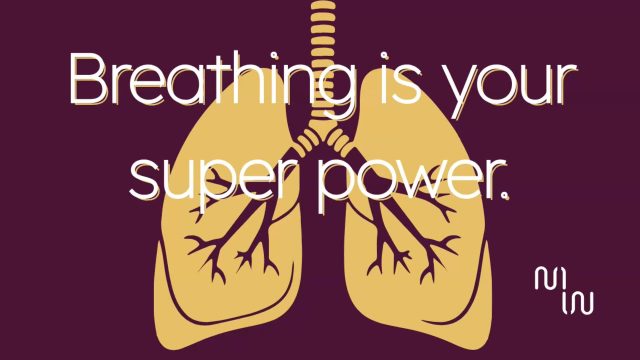
1. Controlled Breathing (3–5 minutes)
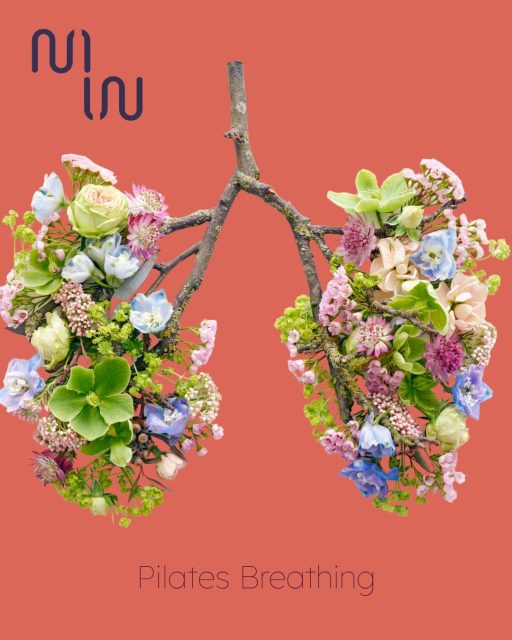
Breathe in through your nose for 4 seconds, then breathe out slowly for 6 seconds.
Longer exhalations encourage relaxation and help your nervous system shift towards recovery.
2. Gentle Movement (2–3 minutes)
Go for a slow walk or easy cycle while breathing only through your nose.
This keeps your body moving without adding additional physical stress.
3. Humming or Gentle Singing (1 minute)
Finish with a minute of humming, chanting, or gentle singing.
The vibration created in the throat may help stimulate the vagus nerve, which plays an important role in supporting parasympathetic activity and promoting a sense of calm.
Recovery Is Part of Training
It’s easy to think that more exercise always leads to better results, but recovery is where your body adapts, repairs, and becomes stronger.
By giving equal attention to both your “go mode” and your “recover mode,” you’ll be better equipped to train consistently, improve performance, and support your overall wellbeing.
Remember: fitness isn’t about pushing hard all the time. It’s about finding the right balance between effort and recovery so your body can thrive.
Favorite