Pilates is widely recognised for its ability to foster a profound mind-body connection, enhancing both physical health and mental well-being. This synergy is grounded in scientific research, expert practice, and emerging insights from movement neuroscience.

What the Science Says
Neuroplasticity and Body Awareness
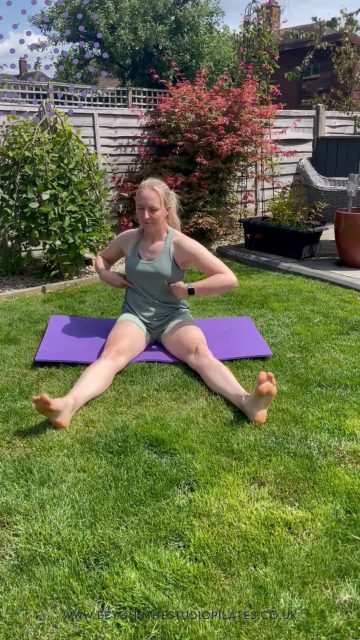
Engaging consistently in Pilates strengthens the brain’s ability to form new neural pathways, a phenomenon known as neuroplasticity. This enhances body awareness, precision of movement, and overall coordination. For example, Somatic Pilates, a branch emphasizing slow, mindful movement, has been shown to rewire brain areas responsible for movement control and proprioception, leading to better posture, flexibility, and reduced injury risk.
Breathing and Mental Focus
Controlled breathing, a core Pilates principle, not only supplies muscles with optimal oxygen but also helps regulate the autonomic nervous system. Breathing exercises in Pilates have been found to reduce anxiety, lower stress hormone levels, and induce a meditative, calming effect on the mind. Focused breathwork correlates with improvements in mental clarity, cognitive function, and emotional stability.
Mindfulness and Stress Reduction
Pilates demands complete present-moment awareness. You must focus on how your muscles contract, your alignment, and the transitions between exercises. This immersion in mindful movement has been linked to reduced symptoms of anxiety and depression, improved mood, and better stress management in both clinical and healthy populations.
Body Mechanics and Injury Prevention
Mind-body cueing is a critical teaching strategy in Pilates. Instructors use verbal and tactile cues to direct clients’ attention to specific muscles and alignment, leading to safer, more effective movement. This targeted attention improves core strength, posture, and overall body mechanics—a vital component for people managing conditions like chronic low back pain.
Expert Insights
- Andrew Keefe, Psychodynamic Psychotherapist and Pilates Teacher: Emphasizes that engaging fully in Pilates during life challenges builds self-efficacy and emotional resilience, as the focus on precise movement becomes a grounding, empowering practice.
- Karen Vizueta, Pilates Instructor: Stresses how deep concentration and breath synchronization in Pilates challenge both body and brain, encouraging practitioners to develop new habits of mindfulness and emotional regulation.
- John Steel, Pilates Author: Describes the mind-body connection in Pilates as a lifelong journey, where increased awareness and skills extend far beyond the studio and into everyday life.
Research-Backed Benefits
- Enhanced mood and emotional resilience through regular mindful movement.
- Reductions in depression and anxiety, with evidence for benefits in special populations including those with chronic pain, cancer, and neurological conditions.
- Cognitive enhancement by promoting neuroplasticity and concentration during sessions.
How Pilates Differs From Other Practices
Unlike some repetitive or less mindful exercise routines, Pilates necessitates continuous attention to detail. Every session requires intentional engagement with both movement and breath, creating a feedback loop between mind and body that supports holistic well-being.
Favorite